
The Ultimate Guide to Buyer Personas: What They Are, How to Create Them & Why They Matter
- sjafarh31@gmail.com
- December 5, 2025
- Guide
Businesses are always looking for ways to increase sales and revenue—and the only sustainable path is to build products and services that truly meet customer needs.
In today’s landscape, brands can’t rely on broad, generic market segments. They need strategies rooted in a deep understanding of customer behavior, motivations, and buying journeys. Research even shows that customer-centric companies are 60% more profitable than those that aren’t.
That’s where buyer personas come in. They help break your audience into clear, well-defined customer groups. Effective brand marketing starts with detailed personas built on real data, not assumptions.
So let’s dive in and explore how to uncover your ideal buyer’s pain points, behaviors, and interests, with precision and without guesswork.
What is Buyer Persona?
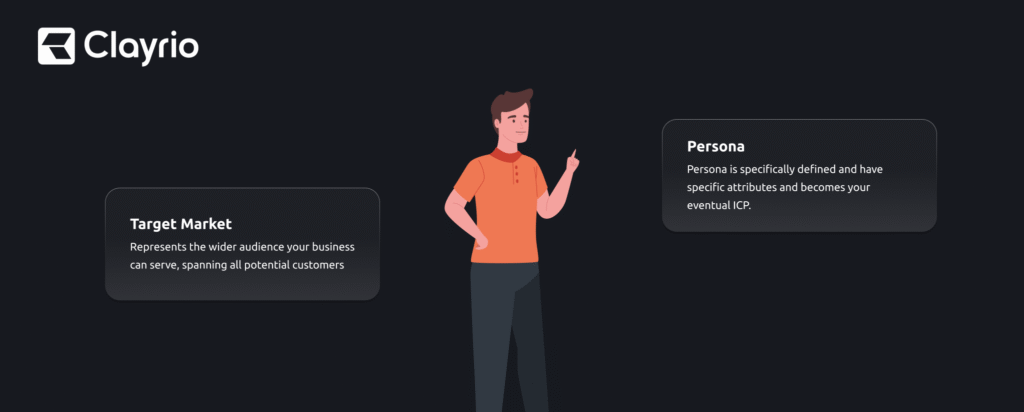
A buyer persona is a fictional but highly informed representation of a business’s ideal customer. It’s built by understanding the customer’s needs, pain points, motivations, and buying behaviors, derived from detailed market research, real data, and actual interactions with the brand.
In simple terms, a buyer persona is a carefully crafted profile that helps marketers design the right strategies and digital marketing campaigns. Instead of speaking to a broad and generic audience, brands use buyer personas to communicate directly with the specific type of customer they want to attract.
Deciding factors
Creating a buyer persona requires several checkpoints to shape a complete, fictional representation of your ideal customer. While the specifics may vary depending on your industry, business goals, and audience, most successful buyer personas share a few common characteristics:
Demographics
Demographics capture the basic background details of your prospect—both personal and professional. This includes age, gender, education level, income, and similar foundational information.
Psychographics
Psychographics go deeper and focus on the prospect’s motivations, goals, beliefs, and values. They reveal why your ideal customer thinks and behaves the way they do.
Professional Status
Professional status outlines where the prospect stands in their career or financial journey, including job title, seniority level, and industry.
Pain Points and Challenges
This is one of the most crucial components of a buyer persona. Understanding your audience’s pain points, desires, and daily struggles helps you identify what truly matters to them.
What does your ideal customer want? Are they striving for professional growth, personal fulfillment, or simply more free time? What obstacles are holding them back? Defining these challenges enables brands to create solutions that resonate deeply.
1. Persona Basics
- Persona Name
- Age
- Gender
- Location
- Education
- Income
- Family / Marital Status
- 2. Professional Information
Job Title
- Industry
- Seniority Level
- Career Stage
- Professional Goal
3. Psychographics
- Goals & Aspirations
- Values & Beliefs
- Motivations
- Personality Traits
- Lifestyle / Hobbies
4. Challenges & Pain Points
- Key Challenges
- Pain Points
- Obstacles to Success
5. Needs & Desires
- What They Want to Achieve
- Short-Term Needs
- Long-Term Goals
6. Buying Behavior
- How They Research
- Purchase Decision Factors
- Budget Considerations
- Buying Motivations
- Role in Decision Making
7. Communication & Engagement
- Preferred Channels (Social Media, Email, etc.)
- Content Types They Consume
- Influencers / Thought Leaders Followed
- Communities / Groups
Truly understanding your audience is everything. Buyer personas help you uncover your customers’ needs, behaviors, and preferences, enabling you to create products, campaigns, and strategies that resonate. At Clayrio, we help you build detailed, actionable personas that turn insights into results, so your marketing is smarter, more targeted, and more effective.